Home–News–Science–
These Will Be the Biggest 2026 Facial Plastic Surgery Trends, According to Top Doctors
These Will Be the Biggest 2026 Facial Plastic Surgery Trends, According to Top Doctors
Published:
May 19, 2026
The aesthetic medicine market continues to evolve at a faster pace than it did a few years ago. Patients have become more attentive to results, recovery times and risks. At the same time, cosmetology is no longer viewed as a separate field existing outside the realm of surgery. Today, facial plastic surgery is increasingly being combined with non-surgical and injectable treatments. This is precisely the approach taken by Eternity Life Tourism, a company specialising in arranging medical treatment and selecting specialist clinics in various countries.
Avoiding excessive facial correction
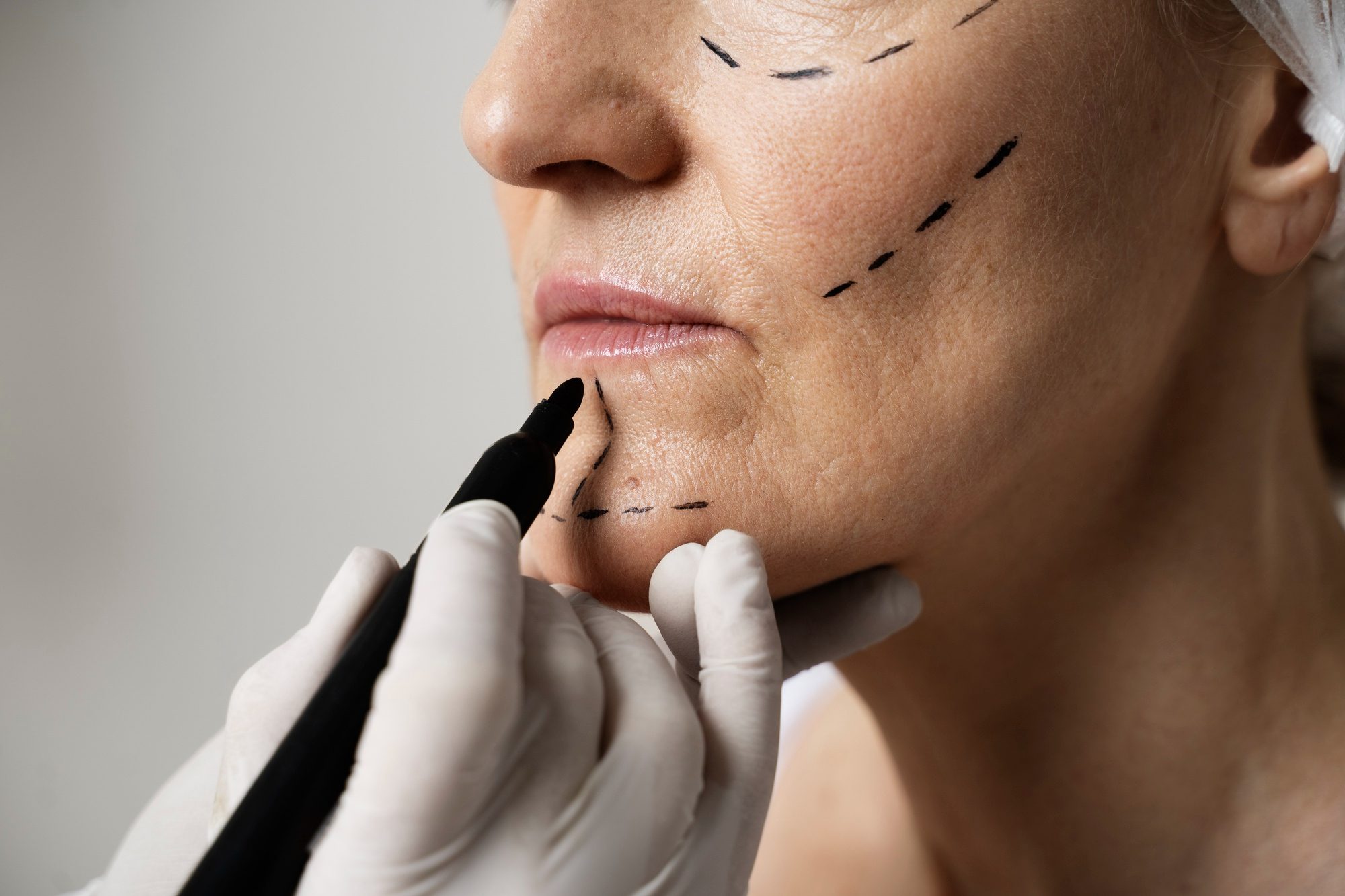
The main trend for the coming years is a move away from drastic changes to one’s appearance. Patients have become more cautious about excessive skin tightening, excessive use of fillers and dramatic facial transformations. Following the surge in popularity of the ‘Instagram look’, the market has effectively swung in the opposite direction.
Surgeons are noting an increase in requests to preserve natural facial expressions and individual features. This is particularly true of patients aged 35–50, who want to look fresher but do not wish to radically alter their appearance. Against this backdrop, the popularity of deep plane facelifts, endoscopic mid-face lifts and combined techniques involving minimal tissue trauma is on the rise. We have noticed a trend whereby patients are now researching not only ‘before and after’ photos in advance, but also clinics’ medical protocols, experience of anaesthetists, recovery times.
Endoscopic techniques are becoming the standard
The widespread adoption of endoscopic surgery is set to continue in 2026. These techniques allow surgeons to operate through small incisions, shortening recovery times and reducing the risk of significant scarring. Endoscopic lifts of the forehead, mid-face and neck are developing particularly rapidly.
Just a few years ago, such procedures were available mainly at large international centres. Now they are becoming standard practice in clinics in Turkey, South Korea, Germany and the UAE. This is one of the reasons for the growth of medical tourism in the aesthetic surgery sector. Eternity Life Tourism works with clinics where such technologies are already in regular use.
Tailoring operations rather than relying on one-size-fits-all solutions
Another notable trend is the move away from one-size-fits-all approaches. Leading surgeons suggest that standard procedures based on a uniform approach are gradually becoming a thing of the past. Nowadays, doctors take into account not only the patient’s age, but also tissue density, the specific characteristics of ageing, skin quality, the condition of the ligaments, and even facial expressions.
In practice, things are not as straightforward as they might seem. Patients often expect a predictable outcome based on photographs they have seen on social media. However, each person’s facial anatomy and tissue response are unique. This is precisely why the surgeon’s experience and the quality of pre-operative diagnostics are of critical importance.
The growing popularity of preventive surgery
Whereas plastic surgery used to be associated mainly with age-related procedures, an increasing number of patients are now seeking treatment in their 30s and 40s. These are not radical operations, but rather preventive procedures.
Among the most sought-after procedures are mini-lifts, blepharoplasty, neck lifts and lipofilling. The aim of such procedures is not to achieve dramatic rejuvenation, but to slow down the visible signs of aging. Surgeons note that a preventive approach helps to preserve the natural structure of the face and avoid more complex operations in the future. This model is developing particularly rapidly in South Korea and Turkey, where aesthetic medicine remains one of the most competitive sectors. From our own experience, we can say that patients are increasingly viewing cosmetic procedures as a long-term investment in their appearance and professional image.
Direction
What Will Be Popular in 2026
Facial Rejuvenation
Deep plane facelift, endoscopic lifting, mini-lift
Cosmetology
RF lifting, laser rejuvenation, PRP therapy
Rhinoplasty
Natural-looking nose shape without excessive correction
Rehabilitation
Comprehensive post-surgery recovery programs
Medical Tourism
Turkey, South Korea, Germany
Main Trend
As much as possible natural results without an “overdone” appearance
Combining surgery and cosmetic medicine
By 2026, cosmetic operations will become even more closely connected with minimally invasive aesthetic procedures and restorative medical technologies. Surgeries are increasingly being supplemented with PRP therapy, laser skin rejuvenation, cellular technologies and personalised rehabilitation programmes. The aim of this approach is to reduce recovery times and improve tissue quality following the procedure. For example, after a facelift, a patient may undergo additional treatments designed to improve skin quality and microcirculation.
Just a few years ago, many patients underestimated the importance of post-operative recovery. Now, things are changing. Clinics have started to pay much more attention to rehabilitation, as it is this stage that directly influences the final result. Recovery programmes include lymphatic drainage, machine-assisted procedures, physiotherapy, monitoring of tissue condition and regular follow-up with the surgeon. This is particularly important following complex facial surgery.
Stricter safety requirements
Since the pandemic, patients have become more attentive to safety issues. This applies not only to hygiene standards and licensing, but also to the overall organisation of care. Increasingly, people are choosing clinics that offer comprehensive support, translation of medical records and coordination between specialists. Against this backdrop, the role of medical coordinators is growing. This is particularly true when seeking treatment abroad, where patients face language and organisational challenges.
The most common problem in such cases is a lack of proper communication between the patient and the clinic. This leads to errors in pre-operative preparation, delays in diagnosis, and additional costs arising after arrival in another country. This is precisely why many patients prefer to work through companies that support their treatment at every stage and help organise the process in advance.
Male plastic surgery is set to continue growing
Experts predict that the male patient base in aesthetic medicine will continue to grow in 2026. Interest is increasing especially fast in eyelid correction, jawline reshaping, fat removal beneath the chin, and follicle restoration procedures. At the same time, men tend to prioritise subtle results and a short recovery period.
Many clinics have already introduced specific protocols for male aesthetic surgery, as men’s tissue structure, ageing patterns and needs differ from those of women. We have worked with clients who initially considered only local cosmetic procedures, but after consulting with surgeons, they came to the conclusion that a combined approach yields more stable.
What will shape the facial plastic surgery market going forward?
By 2026, aesthetic reconstructive procedures for the face are expected to completely shift toward an individualized healthcare approach. Patients expect not just an operation, but a comprehensive package: diagnosis, selection of a doctor, safe travel arrangements, rehabilitation and long-term support. This is precisely why there is growing demand for companies that act as medical coordinators, rather than mere intermediaries.
Eternity Life Tourism works with international clinics in Turkey, South Korea, Germany, India, Poland and other countries, helping patients to arrange treatment, select surgeons and navigate all stages of preparation and recovery. The company provides patient support, clinic selection, consultation arrangements, document translation and medical logistics. If you are interested in modern facial rejuvenation techniques, plastic surgery or comprehensive aesthetic medicine programmes abroad, you can contact Eternity Life Tourism for a personalised solution and consultation.
FAQ
What are the main trends in plastic surgery in 2026?
The main tendency in 2026 will focus on subtle appearance improvements without visible evidence of cosmetic operations. Patients are increasingly opting for minimally invasive procedures, endoscopic techniques and comprehensive facial rejuvenation rather than aggressive correction. There is also growing demand for personalised procedures that take into account individual anatomy, skin quality and age-related changes. Furthermore, the integration of plastic surgery with cosmetology, non-surgical treatments and rehabilitation programmes is increasing.
Which cosmetic procedures will be popular in 2026?
In 2026, treatments involving almost no downtime are likely to continue attracting strong interest. These primarily include non-surgical rejuvenation, laser treatments, RF lifting, SMAS lifting, collagen-stimulating treatments, PRP therapy and injectable treatments to improve skin quality. At the same time, there is growing interest in preventive cosmetology among patients aged 30–40, who are keen to slow down the signs of aging without resorting to radical procedures.
Which country ranks first in terms of the number of cosmetic surgeries?
According to data from international industry associations, the United States remains the leader in terms of the number of cosmetic surgeries. Brazil, South Korea, Turkey and Mexico are also among the largest markets. Meanwhile, Turkey and South Korea continue to actively strengthen their positions in the field of medical tourism thanks to a combination of state-of-the-art clinics, experienced surgeons.