Home–News–Science–
Stars are shrinking in the Ozempic age: Is there a new body positivity or just the same old impossible beauty standards?
Stars are shrinking in the Ozempic age: Is there a new body positivity or just the same old impossible beauty standards?
Published:
May 20, 2026
Over the past two years, the beauty industry has undergone yet another transformation. Whereas until recently the focus was on body acceptance, rejecting imposed standards and the concept of body positivity, today the market is moving in the opposite direction. Cosmetology and plastic surgery are once again becoming part of the global trend towards thinness, and weight-loss products are being discussed not only in medical circles, but also in show business, the media and on social media. Eternity Life Tourism has noted a growing interest in comprehensive weight-loss programmes, anti-ageing treatments and aesthetic corrections following rapid weight loss.
How did weight-loss products become part of popular culture?
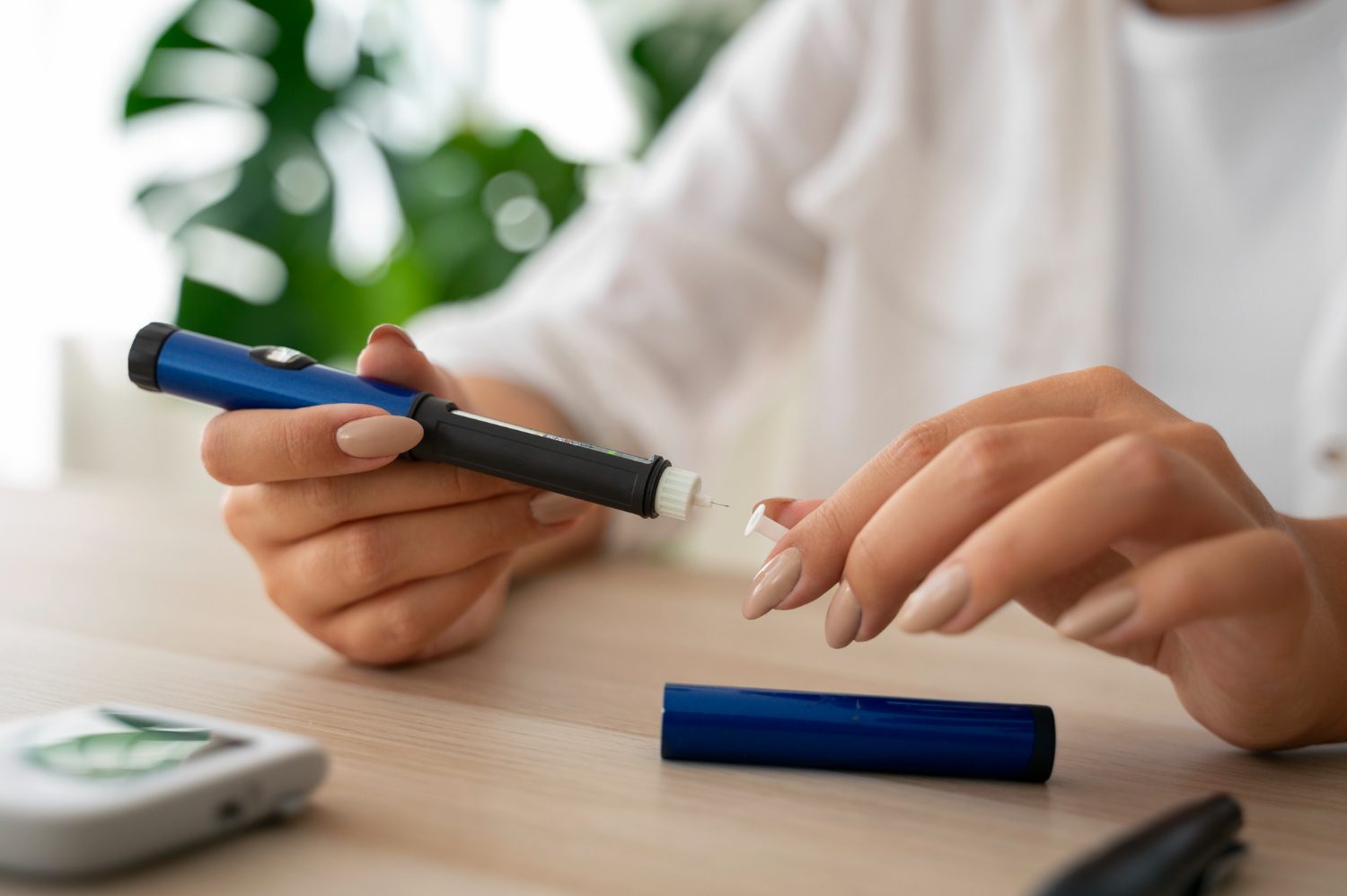
Semaglutide-based drugs were originally used to treat type 2 diabetes. However, their ability to suppress appetite and promote weight loss quickly made them popular far beyond the field of endocrinology. After public figures began to lose weight rapidly, interest in such treatments grew worldwide.
This trend is particularly noticeable in the US. Analysts are recording multi-billion-dollar growth in the market for weight-management drugs. However, demand is not limited to people who are obese. Increasingly, it concerns patients who wish to lose 5–10 kilograms for aesthetic reasons. During consultations, we are often asked whether such medicines are truly a safe alternative to diets and exercise.
The return of the trend for thinness under the guise of health consciousness
Just a few years ago, the fashion and advertising industries were trying to distance themselves from the strict beauty standards of the early 2000s. Brands spoke of body diversity, inclusivity and natural beauty. However, the situation has changed since the emergence of a new generation of products.
Today, thinness has once again become part of the visual norm. The only difference is in how it is presented. Whereas the focus used to be on diets and fitness, the spotlight is now on ‘health’, ‘biohacking’ and ‘metabolic control’. In practice, society is returning to the old model, where a slim figure is seen as an indicator of success and discipline.
Why does demand for cosmetic treatments and surgery increase following sudden weight loss?
Rapid weight loss almost always affects skin quality and tissue volume. This is particularly true of the face. Following significant weight loss, patients often experience sagging skin, changes to the facial contour and a tired appearance. This is precisely why, as the popularity of weight-loss products grows, so does the demand for aesthetic procedures.
It is not just about cosmetic surgery. There is growing interest in non-surgical cosmetic treatments, facelifts, lipofilling, injectable treatments and skin rejuvenation programmes. Many patients realise that losing weight does not always automatically improve one’s appearance. Our experience shows that it is important for clients to know what changes occur to the face and body following rapid weight loss, and how extensive the subsequent correction may need to be.
Trend
Consequences for the Market and Patients
Popularity of Ozempic
Growing demand for rapid weight loss and medical supervision
Return of the thinness trend
Social media is once again shaping strict beauty standards
Growth of aesthetic medicine
More patients are seeking cosmetology and plastic surgery services
Development of medical tourism
Increasing interest in treatment and procedures abroad
Comprehensive approach
Clinics are offering combined weight loss, anti-age, and recovery programs
What happens to the body after rapid weight loss?
Sudden weight loss places a strain on the body, even when it is part of a medically supervised treatment programme. Weight loss affects the endocrine system, metabolism, and the condition of the skin and muscle tissue. In addition, many patients experience gastrointestinal side effects, chronic fatigue and changes in eating habits. After stopping medication, some of the weight may be regained. This is precisely why specialists are increasingly emphasising the need for long-term monitoring.
Social media and new beauty standards
Social media has accelerated the spread of this new trend. Every day, users are bombarded with photos of celebrities, bloggers and influencers who have lost a dramatic amount of weight. As a result, there is a growing perception that this kind of appearance is becoming the new norm.
The problem is that the public often fails to see the other side of the process: the medical care involved, the complications, the additional procedures and the lengthy rehabilitation. Only the end result is visible to the public. This increases the psychological pressure, particularly among younger audiences.
Why is body positivity giving way to body control?
The body positivity movement has not disappeared entirely, but its influence has noticeably waned. The idea of body acceptance is being replaced by a different concept – the body as a project that needs to be constantly improved. Today, the industry offers a vast array of tools for managing one’s appearance: medications, injections, surgery, non-surgical procedures, genetic testing and anti-ageing programmes. All of this is shaping a new market where appearance becomes part of a long-term investment in social status and career.
We explain to our clients that the desire to keep up with fashion trends can lead to emotional burnout and unnecessary health risks. Any decisions relating to health and appearance require a considered approach.
How has the global aesthetic medicine market changed?
The growing popularity of weight-loss products has already had an impact on the global aesthetic medicine market. Major clinics have begun to develop dedicated programmes for patients following weight loss. In effect, a new service segment has emerged. Demand is growing for facelifts, skin rejuvenation, restorative treatments and anti-ageing procedures. At the same time, patients have become more discerning regarding the quality of clinics and the standard of medical care provided.
It is important to bear in mind that every case is unique. Even with the same amount of weight loss, people’s bodies can react very differently. This is precisely why reputable clinics place such an emphasis on a personalised approach.
What risks do patients often underestimate?
The main problem is that many people view weight-loss supplements as a quick fix. However, any intervention affecting the metabolism requires supervision by specialists. Among the most common risks are hormonal imbalances, gastrointestinal problems, deterioration of skin condition, loss of muscle mass, and psychological dependence on the results.
In such cases, we advise clients to undergo a full diagnostic assessment and consult with several specialists at once, including an endocrinologist, a general practitioner and a cosmetic medicine specialist.
A comprehensive approach rather than a ‘quick fix’
The market is gradually coming to realise that sustainable results are impossible without a comprehensive approach. A single medication is not enough. It is necessary to address lifestyle, diet, physical activity and overall health. This is precisely why leading international clinics are moving towards long-term support programmes. These include diagnostics, weight management, skin rejuvenation, anti-ageing treatments and specialist supervision. This approach helps to minimise risks and achieve more consistent results without placing excessive strain on the body.
The beauty industry has quickly adapted to the new reality. As demand for weight loss grows, so does interest in aesthetic medicine, plastic surgery and medical tourism. Patients are increasingly seeking comprehensive solutions rather than individual procedures. Eternity Life Tourism helps arrange treatment, diagnostics, weight-loss programmes, cosmetic procedures and medical support at international clinics. The company works with patients who value safety, a professional approach and clear organisation of the entire process. If you are interested in modern cosmetic procedures, anti-ageing programmes or treatment abroad, the specialists at Eternity Life Tourism can find the best solution for you, taking into account your goals and medical requirements.
FAQ
Which celebrities are losing weight in the Ozempic era?
In recent years, the media and social media have been buzzing with discussions about the dramatic weight loss of many celebrities. Among those most frequently mentioned are Kim Kardashian, Oprah Winfrey, Sharon Osbourne, Elon Musk and a number of Hollywood actors and influencers. However, not all of them publicly confirm using weight-loss drugs. Within the industry, this is already seen as a new trend that is influencing not only fashion but also the aesthetic medicine market.
Is Generation Z more positive about their bodies?
Generation Z does indeed talk more often about body acceptance, mental health and rejecting toxic beauty standards. However, social media continues to exert significant pressure. The younger audience simultaneously supports body positivity and strives to conform to visual trends. Consequently, attitudes towards the body have become more open, but the problem of comparing oneself to others remains as relevant as ever.
How to accept your body in the age of Ozempic?
Accepting one’s own body has become more difficult today due to constant visual pressure from social media and the media. It is important to understand that celebrities’ appearances are often the result of the combined efforts of doctors, beauticians, nutritionists and plastic surgeons. Experts recommend focusing first and foremost on health, rather than on fleeting trends. If changes to one’s appearance are truly necessary.