Home–News–Science–
How to maintain minimal scarring after breast augmentation
How to maintain minimal scarring after breast augmentation
Published:
February 25, 2026
Breast augmentation is surgical procedure. Incision in skin is inevitable, which means that scarring is also inevitable. Question is not whether there will be scarring, but how noticeable it will be years later. In practice, outcome depends not only on surgeon’s technique, but also on patient’s discipline, quality of rehabilitation, and competent organisation of entire treatment process.
Our task is to explain what factors really influence scar formation and what can be controlled.
What determines scar formation?
Scar formation is biological process that goes through sundry phases: inflammation, tissue proliferation, and remodelling. Last stage can last up to 12–18 months. During this period, the scar gradually lightens, flattens, and becomes less dense.
Depth of scar tissue formation is influenced by: type of access (submammary, periareolar, axillary), length of incision, tissue tension, accuracy of suturing, genetic predisposition to hypertrophic or keloid cicatrix, presence of complications, level of physical activity in first few weeks, and exposure to ultraviolet light.
It is important to understand that even perfectly performed operation does not guarantee “invisible” scar if patient ignores recovery recommendations.
Surgical technique and planning
Minimising scarring begins before surgery. Competent planning includes choosing optimal access routes, taking into account anatomy, skin quality, implant size and the desired result. Greater the tension on cells, substantial probability of scar widening.
Professional surgeon makes gash in undulating layers or areas with insignificant visual exposure. Careful layer-by-layer suturing reduces stress on skin and minimises likelihood of rough scarring. In this context, choice of clinic and specialist is key factor.
First few weeks after surgery
In early postoperative period, it is critical to avoid excessive mechanical stress. Raising your arms above shoulder level, sudden movements, and strain on chest muscles can lead to micro-stretching of the sutures. This directly affects width of scar.
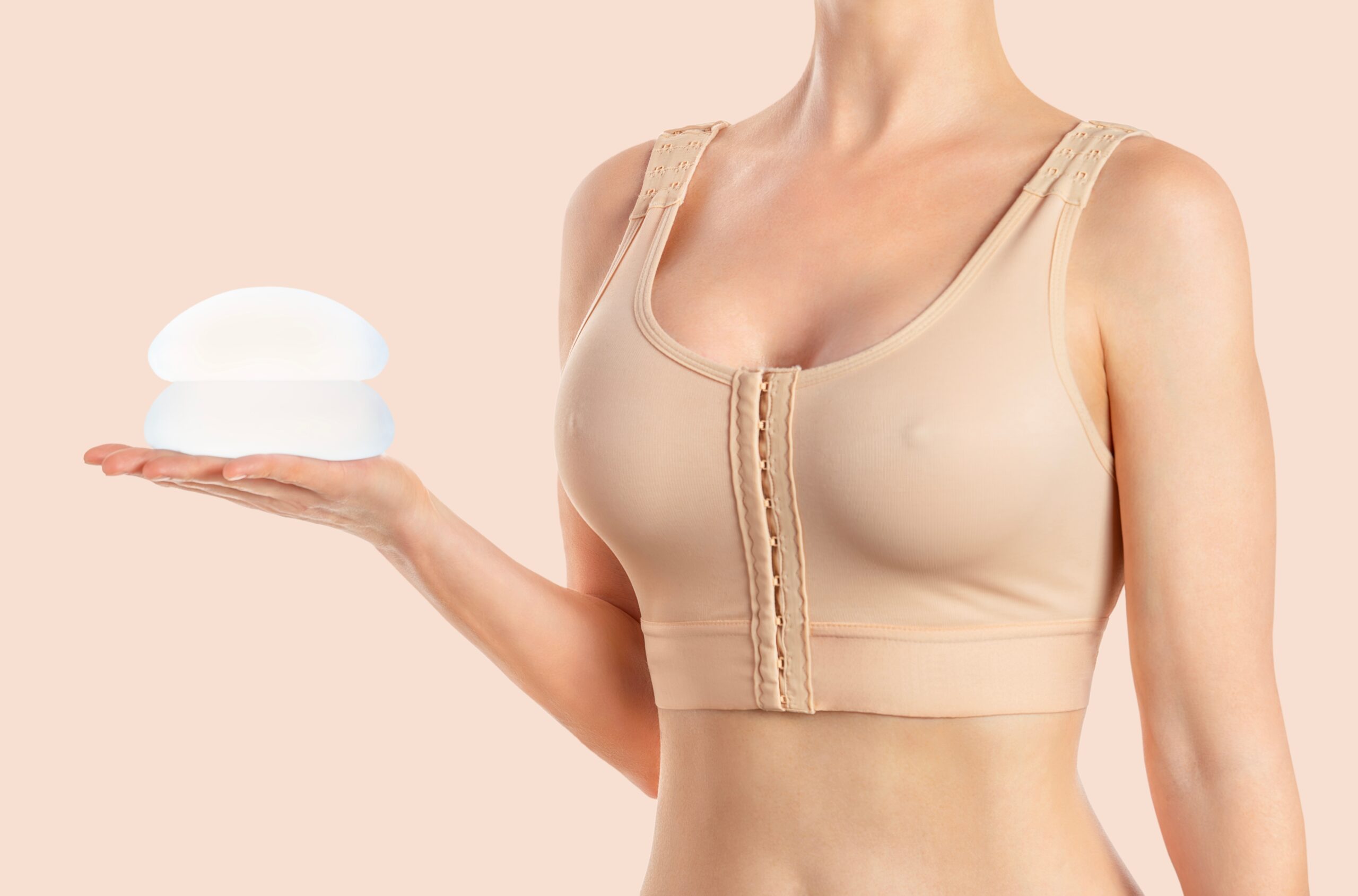
Compression garments should not be worn casually, but strictly according to schedule. They stabilise implant and reduce skin tightness. Failure to follow regimen is one of predominant causes for deterioration in appearance of scar.
It is also significant to control tumescence and inflammation. Any infection or suture separation significantly increases risk of rough scarring. Therefore, treatment, dressing changes and examinations should be carried out systematically.
Monitoring scar formation during the recovery period
Once wound has completely epithelialised, stage of controlled scar formation begins. During this period, it is important to prevent thickening and excessive pigmentation. In medical practice, silicone gels and plates are used for this purpose. They form protective barriers, retain moisture in tissues and help reduce exorbitant collagen production, which is responsible for scar tissue thickening.
In consultation with your doctor, gentle massage of the scar area may be used. Its purpose is to improve blood supply and maintain elasticity of forming tissue. Independent actions without medical evaluation are not recommended, as premature or excessive exposure may worsen the result.
Special attention should be paid to sun protection. For at least 12 months, scar must be protected from ultraviolet rays. Exposure to UV rays increases pigmentation and makes scar more noticeable against surrounding skin. It is recommended to use products with an SPF of at least 30, wear protective clothing, and avoid visiting tanning salons.
Stage
What Affects the Scar
What Should Be Done
Surgery planning
Choice of incision site, implant size, tissue tension
Select an experienced surgeon, discuss incision placement and scarring expectations in advance
Use silicone gels or sheets, avoid UV exposure, monitor incision healing
3–12 months
Tissue remodeling phase
Continue sun protection, consider non-invasive correction methods if needed
Modern correction methods
If scar is dense, raised or pigmented, there are medical correction methods available. Depending on situation, corticosteroid injections, laser therapy, hardware resurfacing, and microtraumatic techniques aimed at tissue remodelling are used.
In recent years, fractional lasers have been actively used to stimulate collagen renewal and smooth skin’s surface. Effectiveness is higher when treatment is started early, so it makes practical sense to be monitored by specialists after operation.
It should be noted that correction is separate medical process. It requires diagnosis and individual plan, rather than random selection of procedures.
Lifestyle factors
Quality of scar also depends on systemic factors. Smoking impairs microcirculation and slows down healing. Protein and vitamin deficiency slows down tissue regeneration. Sudden weight fluctuations can change tension of skin in incision area.
Maintaining stable body weight, eating balanced diet with sufficient protein, and managing chronic diseases are not minor details, but elements of overall strategy.
It is important for the patient to understand dynamics of process. In first few months, scar may appear brighter and denser. This is normal stage. Final assessment of result is possible after 9–12 months.
Attempts to prematurely “fix” situations using aggressive methods may worsen outcome. Consistency and observation are required.
Organisation of treatment process
Minimising scarring is not single procedure, but controlled process that includes choosing clinic, surgeon, proper rehabilitation and, if necessary, subsequent correction. Disjointed actions without system rarely produce predictable results.
Eternity Life Tourism accompanies patients at all stages: from selecting surgeon and clinic to monitoring rehabilitation and organising additional therapy if necessary. We work with proven specialists and develop treatment plans with goal of achieving aesthetic results with minimal scarring.
If you are considering breast augmentation and want to understand in advance how scar minimisation strategy will be developed, it makes sense to discuss this before operation, rather than after. We provide detailed consultations, help assess risks and organise treatment with long-term aesthetic results in mind.
Contact us if you need professional coordination of process and access to specialists who work not only at operational stage, but also at stage of forming final result.
FAQ
How to minimize scarring after breast augmentation?
Minimising scarring begins before surgery. It is important to choose right access and implant size, taking into account anatomy and elasticity of skin. Excessive tissue tension is one of main factors in scar expansion. After surgery, discipline and adherence to recommendations are key: wearing compression garments, limiting physical activity, controlling swelling, and regular check-ups.
What is 45/55 rule for breasts?
45/55 rule is guideline for aesthetic proportions of breasts in profile. It is believed that for harmonious results, about 45% of volume should be located in upper pole of breast and about 55% in lower pole. This distribution creates natural slope and avoids effect of “overfilled top”. This is not strict standard, but guideline for planning.
Outcome depends on initial anatomy, type of implant, and patient’s wishes. Competent planning reduces need for repeat operations and, accordingly, additional scarring.
How can I minimize scarring after surgery?
General principles are same for any surgery: eliminate tissue tension, control inflammation, ensure proper skin moisture, and prevent infection. After stitches are removed, silicone products and gentle massage (as agreed with your doctor) are used, and if necessary, hardware correction methods are used. It is important to note that scars take up to 12–18 months to form, and it is incorrect to evaluate the result before this period.
How can scar tissue formation be prevented after breast surgery?
It is impossible to completely prevent scar tissue from forming – it is natural part of healing process. Goal is to make scar thin, soft, and inconspicuous.
To achieve this, following techniques are used: precise surgical techniques, layer-by-layer suturing without excessive tension, wearing compression garments, silicone therapy, and protection from ultraviolet rays. If there are signs of excessive scarring, injections or laser correction may be prescribed.