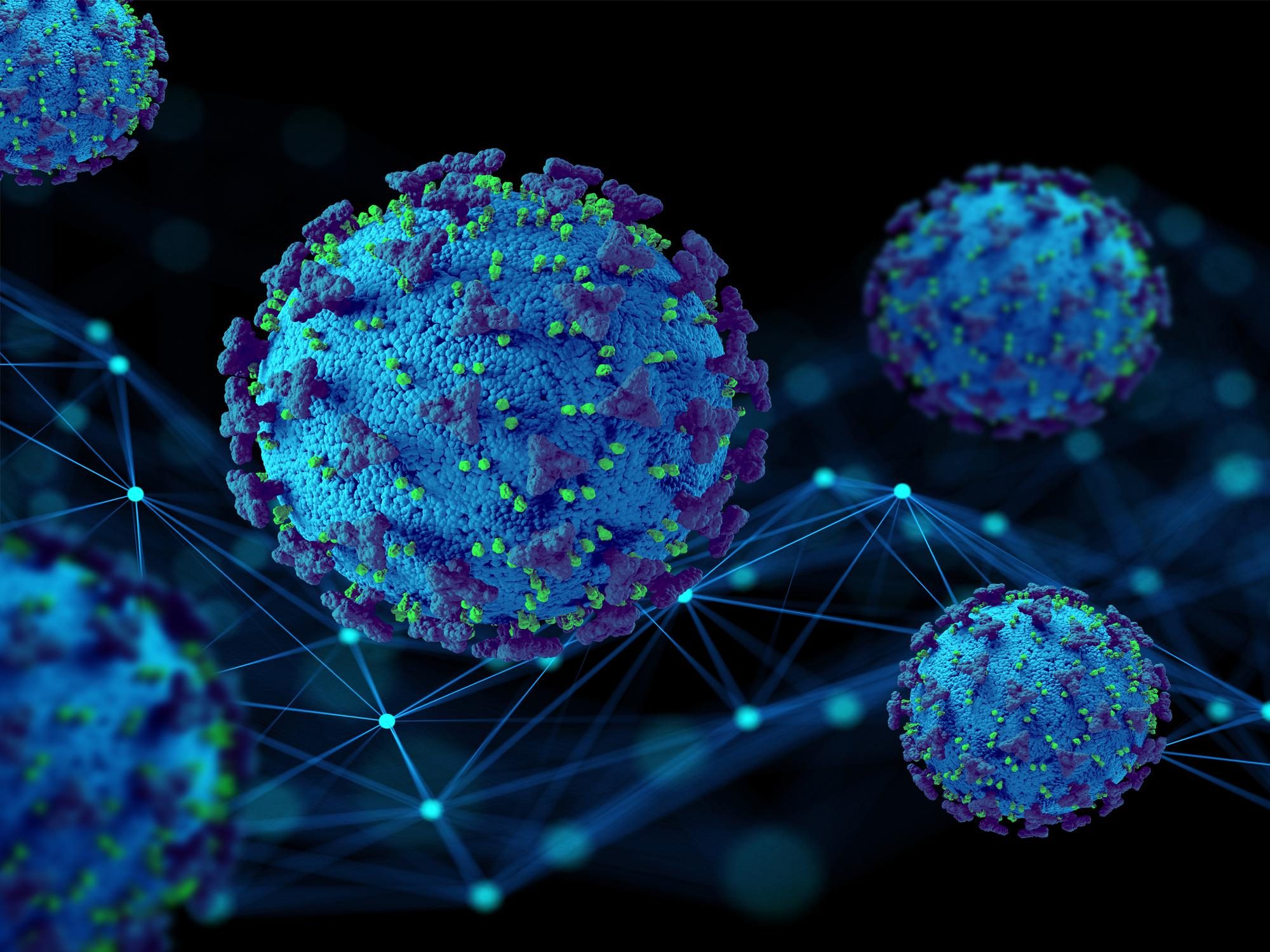
Immunotherapy is a method of treating malignant tumours that involves the human immune system. The aim of the method is to activate the body’s own defence mechanisms to recognise and destroy cancer cells.
This differs from chemotherapy and radiotherapy, which act opposite on tumour tissue. Immunotherapy doesn’t aim to destroy tumour specifically; rather, it improves capabilities of immune system.
System is used for various types of malignant neoplasms. It is most often used for melanoma, lung cancer, kidney cancer, bladder cancer, certain types of lymphoma, and other solid tumours. Its effectiveness relies on specific character of cancer, biological characteristics of neoplasm, stage of disease, and patient’s general condition. Response to healing can vary significantly in different clinical situations.
Immunotherapy can function as a standalone method or in connection with other types of treatment. In practice, it is often combined with systemic anti-cancer therapy, targeted therapy, radiation therapy, and surgical methods. In some cases, a combined approach can achieve a higher clinical effect than using a single method.
Principles of immunotherapy
Immunotherapy is based on mechanisms that regulate immunologic results. Malignant cells can hide from immunologic system or suppress its activity. Immunological therapy drugs are designed to remove this suppression and excite activity of immune cells. The main goal is to restore the body’s ability to control and ravage tumour cells.
One of key approaches is checkpoint inhibitors. These remedies impede polypeptides that suppress activation of T lymphocytes. As a result, immune system’s antitumour answers are enhanced. Key points inhibitors are widely used in clinical practice and have proven effective in a number of oncological nosologies.
Another approach is cell therapy, including modified T cells such as CAR-T. In this technology, client’s immune cells are alterationed in laboratory, trained to recognise peculiar objectives on malignant cells, and then reintroduced into the body. This method is mainly used for haematological malignancies and certain other tumours with suitable markers.
Monoclonal antibodies are artificially constructed polypeptides that specifically fasten to targets on outside of malignant cells. They can act in diverse approaches, including activating immune system or blocking tumour improvement signals.
Use of immunotherapy and results
Effectiveness of immunotherapy is usually assessed using various indicators. These indicators include life expectancy, time to disease progression, and other factors. In clinical trials, immunotherapy has shown a consistent positive effect. This is particularly evident in melanoma and partial large tumours.
The ability to induce long-term remission is truly one of the most important advantages in this process. Even after a person has completed the active treatment phase, it is possible to control the signs of the tumour in some clients.
After a course of immunotherapy, this might be controlled for many months, and sometimes even years. This is precisely what distinguishes immunotherapy from other traditional methods. We are referring to those methods where improvement often depends on continuous exposure to the drug.
It is important to remember that effectiveness of immunotherapy is often limited. Unfortunately, there are tumours that remain insensitive to this method. The result of healing may be minimal. In some clients, there is no result at all. This is influenced by many factors. For example, the biological aspect of specific tumours, characteristics of clent’s immune system. Classify patients who are most likely to respond to immunotherapy is still difficult and requires further research.
It is very important to have the necessary markers tested in a timely manner. They predict the response to therapy. Certain tumour characteristics help to understand who is most likely to respond to healing and to target immunotherapy more effectively.
Complication
Immunotherapy can cause side effects because it activates immune system. An enhanced immune reaction can impact not only cancer cells but additionally wholesome tissue. Therefore, patients sometimes experience adverse reactions in various organs.
The most common side effects are fatigue, skin rash, periodic weakness, and gastrointestinal disorders such as nausea and diarrhoea. These symptoms are usually not too severe, but they can affect your well-being and quality of life, and sometimes require additional treatment or adjustment of therapy.
Sometimes more serious problems associated with inflammation of internal organs can develop. For example, inflammation can affect the intestines, in which case it is called colitis, the liver, in which case it is called hepatitis, or the lungs, in which case it is called pneumonia. If these symptoms appear, it is important to see a doctor as soon as possible. In some situations, hospital treatment under the supervision of specialists may be necessary.
Sometimes, the endocrine system organs are affected, most often the thyroid gland. This can lead to malfunctions and the need for long-term treatment with hormonal drugs. Problems with the heart or nervous system are much less common, but such conditions are considered serious and require special medical attention.
Severity of complication depends on the specific drugs, healing regimens, and individual characteristics of the patient’s body. If combines of several characters of immunotherapy are used simultaneously, complications occur more frequently and are more severe than when treated with a single drug.
Monitoring and management of complication
During healing, it is important to see your doctor regularly so that any possible side effects can be detected in time. Patients are usually prescribed blood tests, internal organ checks and other examinations. This helps to identify changes in time and adjust healing if necessary.
If complication become pronounced, your doctor may reduce the dose of the drug or take a break from treatment. In some cases, it is necessary to prescribe remedies that suppress excessive activity of immune system. All such decisions are made on an individual basis, taking into account the patient’s condition and the severity of symptoms.
Adverse reactions often gradually disappear after completion of the course of treatment. However, there are situations when long-term monitoring and supportive therapy are required. Therefore, it is important for patients to inform their doctor about any changes in their well-being, even if they seem insignificant.
Immunotherapy now plays an important character in healing of cancer. It offers the chance of long-term improvement and, in some cases, sustained remission. The effectiveness of this approach has been confirmed by clinical trials, although results may vary between patients.
However, this method has its own characteristics and risks. Although side effects are often less pronounced than with traditional chemotherapy, they cannot be completely ruled out. Therefore, treatment requires careful monitoring.
The decision to start immunotherapy is made by the doctor after a comprehensive assessment of the patient’s condition. It is very important that the patient understands the possible benefits and limitations of such healing and actively participates in discussing healing plan. This helps to attain the best results and reduce the likelihood of complications.
FAQ
What are the disadvantages of immunotherapy?
Immunotherapy is not suitable for all patients and may cause complications associated with excessive activation of immune system. Additionally, result of healing can be unpredictable and does not always occur immediately.
How effective is immunotherapy for cancer?
Its effectiveness relies on character of neoplasm and individual characteristics of clients. In some clients, immunotherapy can achieve long-term remission, but in others there may be no significant response.
Is it worth using immunotherapy to heal cancer?
Decision to use immunotherapy is made on an individual basis. The doctor assesses type of neoplasm, stage of the disease and the patient’s general condition to determine whether the method will be of real benefit.
Which causes more complications: chemotherapy or immunotherapy?
Chemotherapy more often causes pronounced complications, such as hair loss and nausea. Immunotherapy reactions are usually milder, but they can be serious and require careful monitoring.