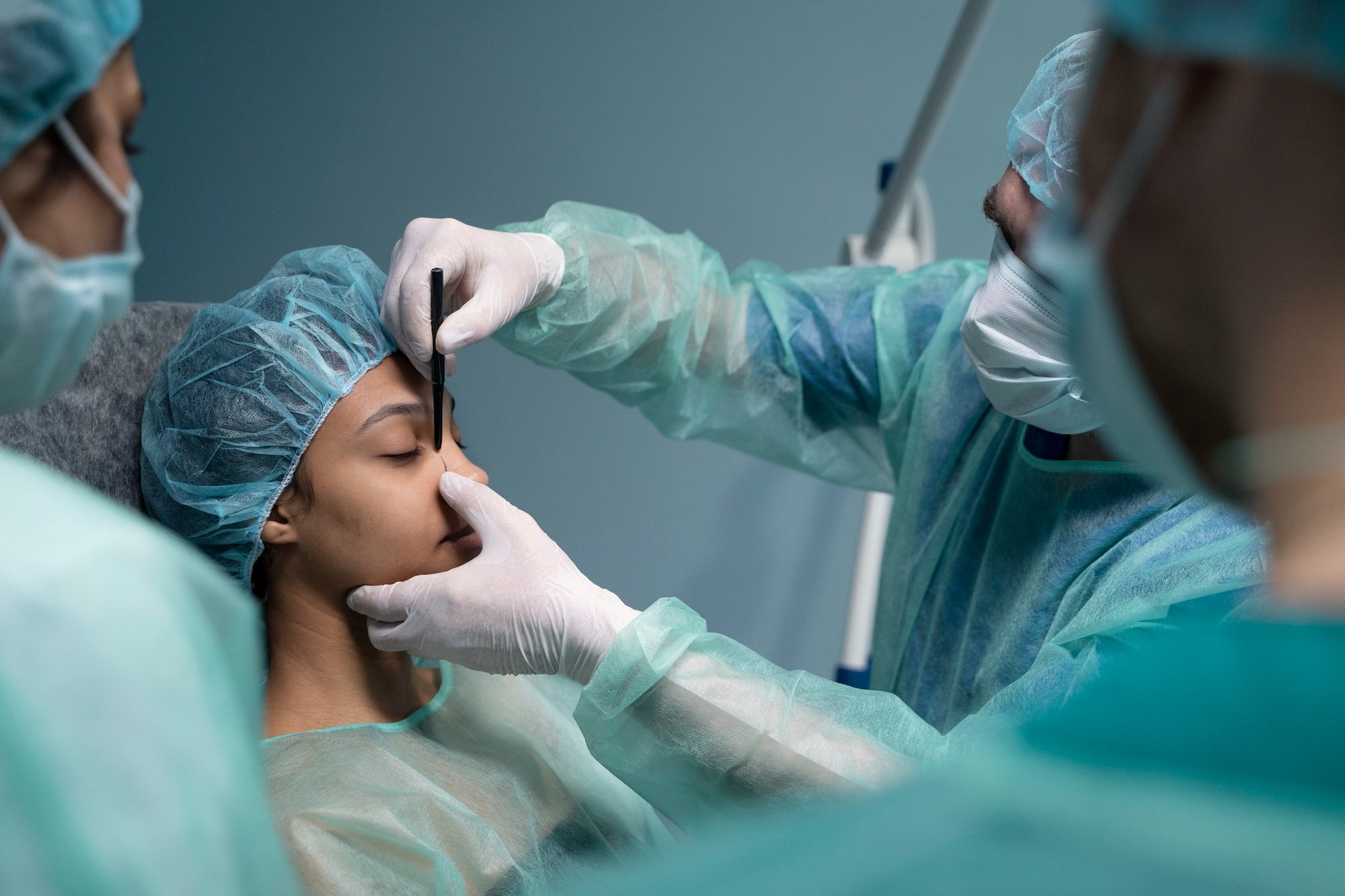
Rhinoplasty is surgical intervention aimed at changing shape of nose. During method, bone, cartilage and adipose tissue are altered, which undergo a long healing and stabilization phase after the operation. In the early stages of the postoperative period, the structure of the nose is extremely sensitive to external stress, including strain from spectacles. Incorrect use of spectacles can alter final result of operation.
Why can’t wear spectacles after operation?
Forthwith after rhinoplasty, tissues on nose remain susceptible to strain and displacement. This is comparable to the process of concrete hardening: until the material has completely set, any structural impact can change its shape. Traditional spectacles rest on bridge of nose and create localised strain in area where correction was completed. Even a frame that appears light at first glance can concentrate pressure on the recently operated area.
Strain from spectacles can facilitate several bad consequences. First of all, indentations on bridge of nose are possible. They remain because gristly and osseous tissue have not yet fully fused. Additionally, continuous strain can alter place of nasal cavity, reduce blood circulation in tissues, and hinder process tissue regeneration.
Optimal timing for resuming wear
Most surgeons recommend refraining from putting on stable spectacles for at least 4–6 weeks after surgery. This period is necessary for the initial strengthening of osseous and gristly structures of nose. Exact timing should be determined individually, based on the surgeon’s assessment during postoperative examinations.
Without exception, it is proposed to start wearing spectacles on a daily basis only after nose has sufficiently strengthened. For many patients, period of absolute recovery,may be longer, up to few months. In the course of early rehabilitation stage, danger of complexity when wearing standard spectacles remains high, as the nose has not yet reached complete stability.
Option to unchanging spectacles in the course of recovery
Completely eliminating spectacles from everyday life can be a problem for patients with visual impairments. In such cases, possibility methods of vision correction or support that do not put strain on bridge of nose are considered:
- Contact lenses are the best way to avoid strain on nose without losing visual function. You can switch to lenses before surgical operation or in the course of postoperative convalescence, provided there are no contraindications.
- Special spectacles support- devices that redistribute load from nose bridge to cheekbones or forehead, eliminating immediate connection with nose.
- Temporary fixation forums – medical tapes or soft fasteners that allow you to secure your spectacles higher on bridge of your nose or on your forehead, eliminating strain on surgical area. They can only be used after appointment with your doctor.
These approaches are used temporarily until surgeon confirms that the nose is stable enough to return to normal spectacles wear.
How can you cautiously return your spectacles to everyday use?
Once your physician has given you permission to return to wearing spectacles, it`s meaningful to weigh factors that reduce strain on your nose:
- Lightweight frames. Spectacles made from lightweight elements put less strain on nose.
- Soft nose cushions. Silicone pads on arms dispense pressure more equally and diminish risk of epidermis annoyance.
- Gradually increase the wearing time. Start with short periods, monitor your skin’s reaction and how you feel.
- Regular checks. Any noticeable modifies, redness, indentations or soreness require appointment with your physician.
Even after formal approval from doctors, the possibility of residual sensitivity cannot be completely ruled out. Tissue stability may remain unstable for up to 6 months or prolong contingent on initial surgical picture and individual restoration.
Spectacles after rhinoplasty pose a potential risk to results if used expected time. The main problem is the pressure exerted by the frame on the bridge of the nose at a time when the tissues and bone structures have not yet healed. The typical period of abstinence from wearing regular spectacles is at least 4–6 weeks, and final decision on returning to everyday wear is made by the surgeon based on clinical assessment.
Alternatives to eyes in prematurely phase include contact lenses and specialized holders. They allow visual function without putting strain on nose. When returning to permanent spectacles, it is important to contemplate weight of the frame, the method of attachment and the reaction of the tissues, as well as to keep in touch with your physician at all phases of rehabilitation.
FAQ
How can I wear spectacles after rhinoplasty?
Evade permanent spectacles for 4–6 weeks. Use contact lenses or support systems that keep spectacles off nose until healing is recovery.
How to tape your spectacles after rhinoplasty?
Attach medical tape to bridge of spectacles and fix it to forehead so the weight does not rest on nose.
What is a nose guard for spectacles after rhinoplasty?
A device that holds spectacles away from nasal bridge by transferring weight to forehead or cheeks.
How to protect your nose after rhinoplasty?
Avoid strain on nose, do not wear systematic spectacles early, adhere to specialist directions, and monitor for any changes.