FIFA World Cup is major sporting event with high concentration of people, teams, staff and guests. The scale of events and variety of conditions, including long journeys, climate changes and strain on infrastructure, create increased risk of acute therapeutic situations.
In such conditions, aeromedical evacuation services and organised air transport of patients become one of components of emergency medical care system, ensuring timely access to specialised care outside the primary medical network of host country.
Role of aeromedical evacuation services in emergency medical care system
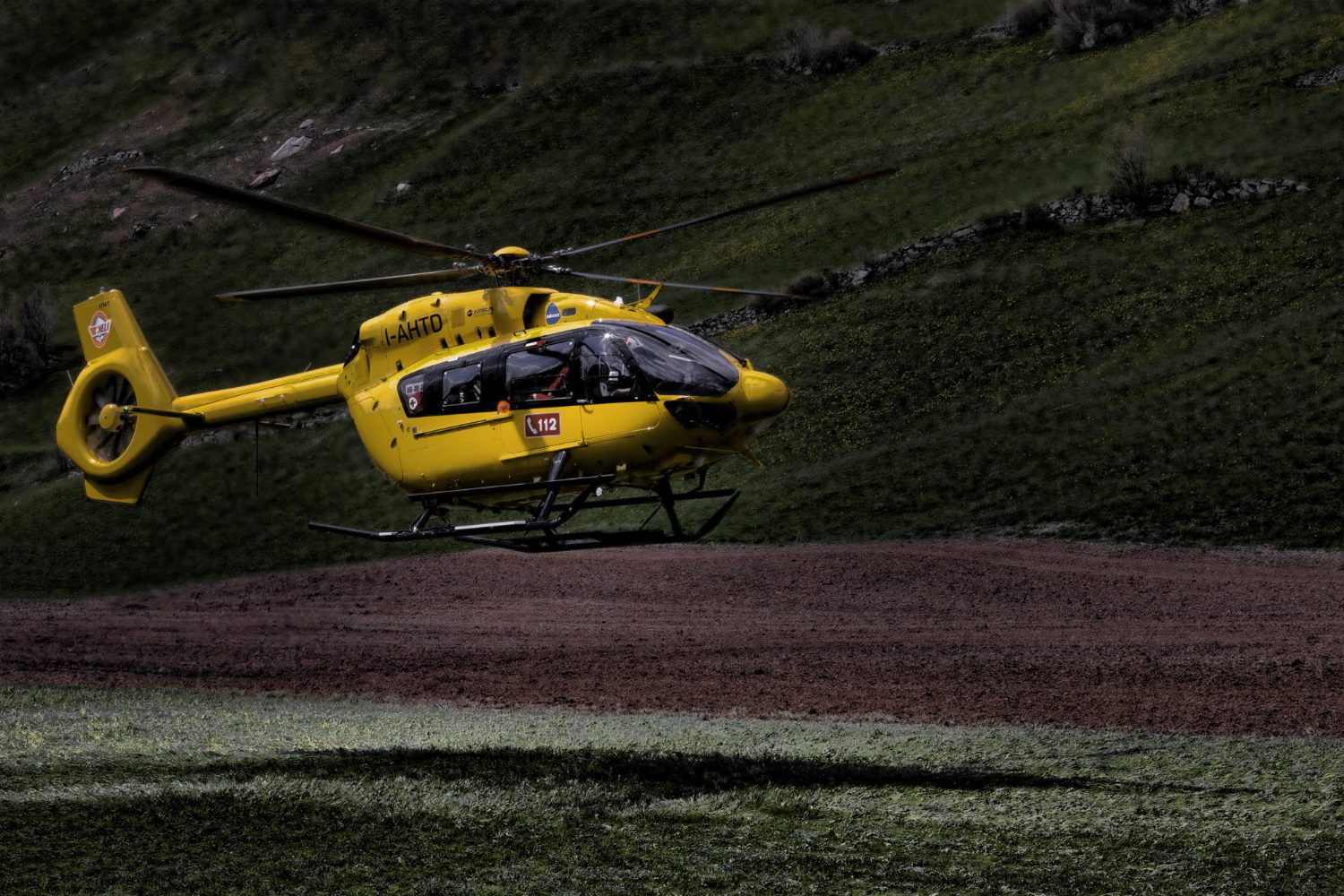
Aeromedical evacuation services are specialised medical transport liner featuring to transport clients with continuous monitoring of their condition, intensive care equipment and health staff on board. Such aircraft allow heavy patients to be quickly transferred between clinics, to specialised centres or to patient’s home country if treatment on site proves insufficient.
The main functions of aeromedical evacuation services during major international sporting event:
- evacuation of patients from inpatient treatment facilities to more highly qualified resources;
- provision of continuous monitoring and intensive care during flight;
- reduction of long-distance transport times, especially in cross-border logistics;
- repatriation of patients with long recovery prognosis.
As part of these tasks, Eternity Life Tourism also provides full range of medical evacuation services, including organisation of medical flight, coordination with receiving clinics and insurance companies, escorting customers by medical teams, and preparing all necessary documentation for international transport. This ensures safe, prompt and legally compliant customer transport anywhere in world.
Medical emergencies at major tournaments
Incidents requiring involvement of MEDEVAC services can be related to wide range of medical problems. Among most common are cardiovascular events, heatstroke and dehydration, sports and traumatic injuries, exacerbations of chronic diseases, infections or complications in unfamiliar environments. Mass nature of events and transport load increase likelihood of such cases.
First aid is provided on site by stadium’s medical teams or local emergency services. If client’s condition doesn`t stabilise or specialised intervention is required, decision is made to transport them. This is where aeromedical evacuation services come in as means of inter-hospital clients transfer.
Organisation of MEDEVAC transport
Procedures for deploying MEDEVAC are based on stages of appraisal, planning, organisation and transport. First, healthcare staff assess client’s condition, determine need for air evacuation and, together with coordination centre, develop logistics plan. Next, client is loaded onto aircraft, aircraft is prepared, client is secured, and flight departs. During flight, qualified team is on board to observe and monitor vital signs and, if necessary, provide medical or technical support.
Key element is bed-to-bed coordination: aeromedical evacuation transports client from medical facility of departure to specialised clinic of destination, while ground services provide transport to and from aerodrome to place of hospitalisation.
Medical evacuation and repatriation
Terms “evacuation” and “repatriation” refer to different tasks. Medical evacuation is used when local healthcare system cannot offer necessary level of care and transportation to another country or region with more developed medical infrastructure is required. Repatriation is focused on returning client to their country of origin for further treatment or rehabilitation, which may be justified by lengthy recovery, need for family support, or health insurance restrictions.
Medical escort on commercial flights
Fully outfitted ambulance plane isn`t always required.
For clients who are stable, can sit in chair and require medical supervision, medical escort on commercial flight is used. In this case, specialist medical team accompanies clients, giving monitoring, oxygen and necessary medication. This option reduces costs while maintaining high level of supervision.
Coordination and continuity of care
Organising aeromedical evacuation services requires cooperation between host country’s health services, insurance representatives, airlines and specialist ambulance plane companies. Coordination must guarantee continuity of care, legal compliance, flight safety and minimisation of time between transport stages.
Air ambulance services at major international sporting events, such as FIFA World Cup, play critical role in emergency medical care chain. They reduce risks associated with geographical remoteness, differences in quality of medical services and language barriers. Planning, timely decisions on air evacuation, competent logistics and professional medical staff are factors that determine successful outcome of customer transport in an emergency situation.
FAQ
Which countries have aeromedical evacuation services?
Aeromedical evacuation services operate in most countries with developed healthcare and civil aviation systems. These include:
- In North America – United States, Canada.
- In Europe – Germany, France, Great Britain, Switzerland, Italy, Spain, Austria, the Netherlands, Scandinavian countries.
- In Asia – Japan, South Korea, Singapore, United Arab Emirates, Turkey.
- In Latin America – Brazil, Mexico, Chile, Colombia.
- In Australia and New Zealand, medevac services are part of state urgency response system.
- In African and Middle Eastern countries, they are more often operated by private operators and under international contracts.
In fact, medevac flights are possible between any countries that have certified aerodromes and permits for medical flights.
How much does it cost to fly on medical aircraft?
Cost depends on distance, type of aircraft, medical equipment and crew composition.
Short domestic flights – from $8,000 to $25,000. Medium-haul international flights – from $30,000 to $70,000. Intercontinental flights – from $80,000 to $200,000 and above. Price includes work of medical team, aircraft rental, fuel, airport charges, coordination and ground transportation. Oxygen, intensive care and services of resuscitation specialist may be charged separately.
What apparatus is used to transport clients?
Air ambulances are equipped as mobile intensive care units. They usually carry: ventilators and oxygen delivery systems, cardiac monitors with ECG, pulse and blood pressure transmission. Also infusion pumps and syringe dispensers, defibrillators, aspiration structures, emergency intubation kits. Isolation modules for infectious customers and medical stretchers with fixation and shock absorption system are also on board.